Sun, October 18, 2026


New Delhi -Researchers in the United States have identified a gut bacterium that could play a significant role in weight loss and improved metabolic health, offering a potential new approach beyond existing weight-loss drugs and injections.
In studies conducted on mice, scientists from the University of Utah found that a specific gut bacterium known as Turicibacter helped reduce weight gain and improve key markers of metabolic health. The findings have been published in the journal Cell Metabolism.
The researchers observed that individuals with obesity tend to have lower levels of Turicibacter, suggesting that the bacterium may support healthy weight regulation in humans as well. This discovery raises the possibility of managing weight by modifying gut bacteria composition.
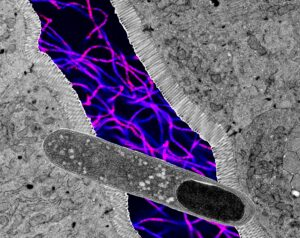
Turicibacter, a rod-shaped microbe, was shown to independently lower blood sugar levels, reduce fat levels in the bloodstream, and limit weight gain in mice fed a high-fat diet. However, the researchers cautioned that results from animal studies do not always translate directly to humans.
“While we’ve seen improved weight outcomes in mice, it remains unclear whether the same effects will occur in people,” said researcher Justin Round, noting the need for further investigation.
Despite these limitations, the team believes Turicibacter could serve as a valuable starting point for developing future therapies aimed at improving metabolism and preventing unhealthy weight gain.
The study found that Turicibacter influences metabolic health by affecting the production of ceramides — fatty molecules linked to metabolic disorders. High-fat diets typically increase ceramide levels, which are associated with conditions such as type 2 diabetes and heart disease. However, fats produced by Turicibacter helped keep ceramide levels low in mice, even when they consumed high-fat diets.
“With deeper research into individual microbes, we may eventually turn bacteria into medicine and develop safe combinations of microbes to address deficiencies linked to different diseases,” said first author Kendra Klag.
With inputs from IANS




© Copyright
Reporter Post.All Rights Reserved |
Powered by: Aptilogic Software |
 |
Page rendered in 0.0094 seconds.
|
Page rendered in 0.0094 seconds.