Thu, November 26, 2026

Chief Minister says state could lose potential revenue of ?2.56 lakh crore over 10 years; urges Centre to reconsider or withdraw 2026 amendment
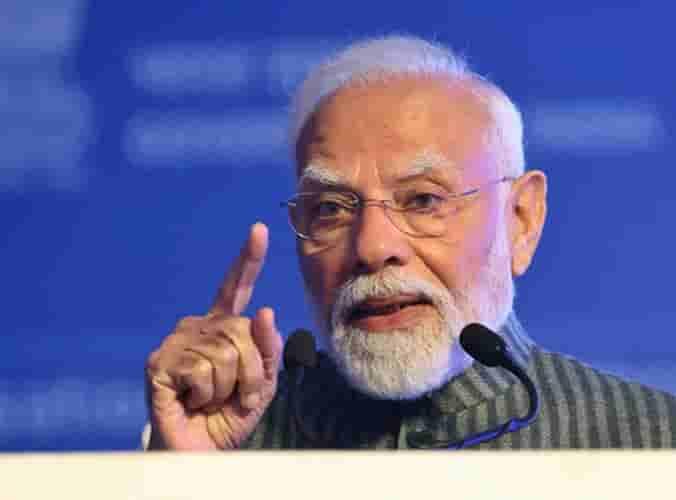
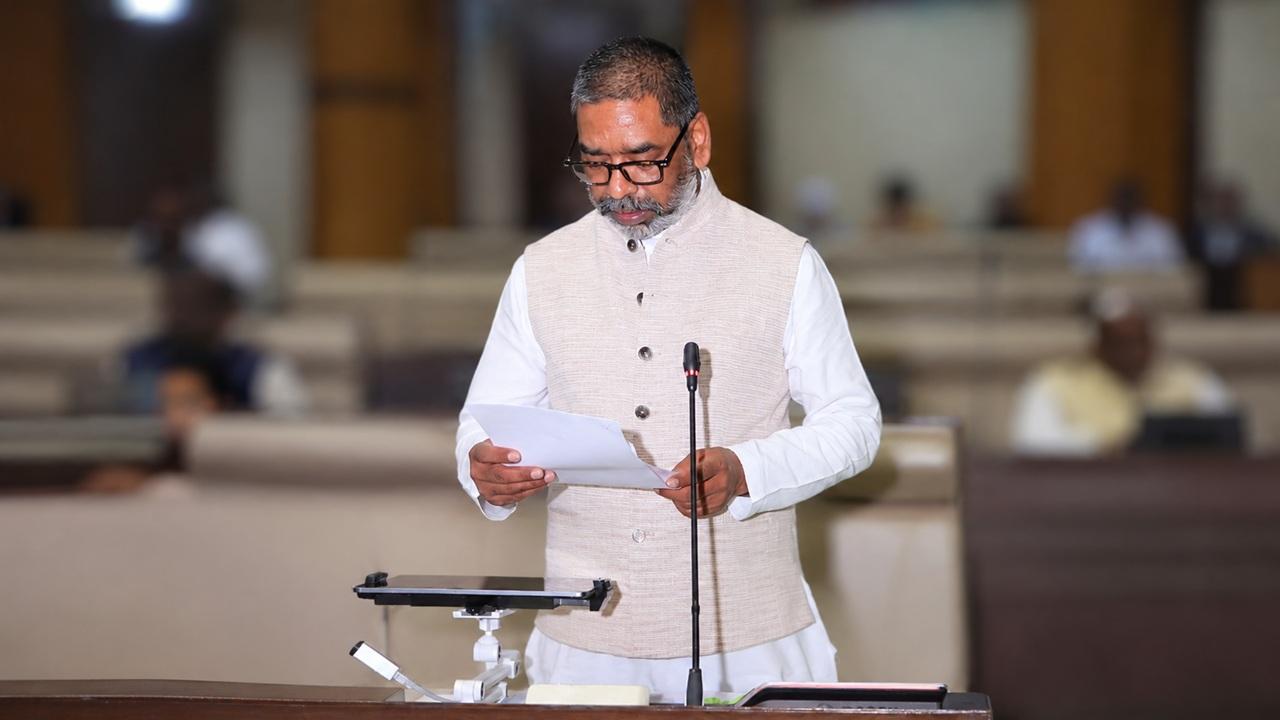
Ranchi, November 26: Chief Minister Hemant Soren on Thursday called upon members of the Jharkhand Assembly to rise above party lines to protect the state's constitutional and financial rights, as the House passed a government resolution opposing the Mines and Minerals (Development and Regulation) Amendment Act, 2026.
Speaking during the discussion on the resolution on Constitution Day, Soren argued that the amendment could restrict the financial powers of mineral-producing states and undermine their ability to mobilise resources for development. He urged the Centre to reconsider or withdraw the amendment, saying Jharkhand was demanding neither special concessions nor favours, but a fair share in the benefits generated from its natural resources.
Referring to the Supreme Court's nine-judge Constitution Bench verdict of July 25, 2024, on the states' constitutional power to tax mineral rights, the Chief Minister said the decision had raised hopes among mineral-rich states. However, subsequent changes to the MMDR Act had raised serious questions about the extent of their powers to levy taxes and cesses on mineral resources.
Soren said Jharkhand could potentially extract around 2,100 million tonnes of minerals over the next 10 years. If the state's taxation powers remained intact, the estimated potential revenue could reach ?2.56 lakh crore during this period. He said the amount could have funded schools, colleges, hospitals, roads, drinking water projects, irrigation, housing and employment opportunities for young people.
Highlighting the burden of mining on local communities, he said coal companies occupied approximately 42,000 acres of forest land, 95,000 acres of raiyati land and 66,000 acres of government non-forest land in Jharkhand, amounting to around 2.03 lakh acres. People had borne displacement, livelihood losses and environmental damage, he said, questioning why the state should not receive a fair economic share in return.
The Chief Minister also presented figures to highlight the growth in mineral revenue. He said collections had increased from ?4,888 crore in 2020 to ?18,844 crore in 2025-26, while mineral production rose by only 35 per cent. Revenue from coal increased from ?3,039 crore to ?10,200 crore, while iron ore revenue rose from ?989 crore to ?5,100 crore.
Soren said the state's mineral wealth was finite and the revenue generated from it must be invested in education, healthcare, agriculture, infrastructure and employment to secure the future of coming generations. He linked the state's financial resources to welfare initiatives such as Abua Awas, Sarvjan Pension and the Maiyan Samman Yojana.
Emphasising cooperative federalism, he said national development should not come at the cost of weakening states. “Our struggle is not against any institution. Our commitment is to the Constitution and the people of Jharkhand,” he said, urging legislators across party lines to support the resolution.
He concluded by saying that protecting Jharkhand's economic rights was a responsibility towards nearly four crore residents and future generations, not merely an issue concerning the present government.



© Copyright
Reporter Post.All Rights Reserved |
Powered by: Aptilogic Software |
 |
Page rendered in 0.0141 seconds.