Wed, November 25, 2026
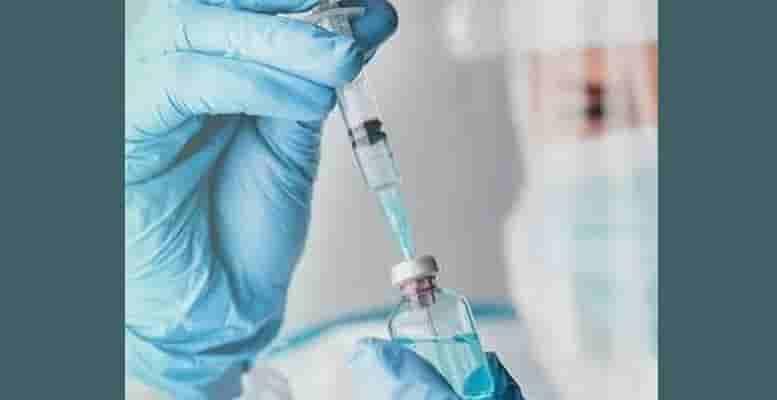
Ranchi: A three-day state-level Vaccine Preventable Diseases (VPD) Surveillance Transition Workshop – Phase 3 was inaugurated at the auditorium of Sadar Hospital in Ranchi on Wednesday. The training programme, being held from November 25 to 27, aims to strengthen the surveillance system for vaccine-preventable diseases, enhance district-level capabilities and ensure timely detection, reporting and effective control of such diseases.
Training for officials from 16 other districts has already been completed.
The surveillance and investigation of vaccine-preventable diseases, previously undertaken by the World Health Organization (WHO), will now be carried out under the Integrated Disease Surveillance Programme (IDSP) and the Routine Immunisation Programme.
Officials from eight districts – Ranchi, Khunti, West Singhbhum, East Singhbhum, Seraikela-Kharsawan, Palamu, Garhwa and Latehar – are participating in the workshop. They include district surveillance officers, district epidemiologists, microbiologists, medical officers-in-charge and other health personnel.
The inaugural session was attended by Shashi Prakash Jha, Mission Director; Dr Shobhana Topno, Director-in-Chief, Health Services; Dr Prabhat Kumar, Director, Health Services; Dr Pradeep Kumar Singh, State Nodal Officer, IDSP; Dr Amarendra Prasad, Civil Surgeon, Ranchi; Dr Bimlesh Singh, Deputy Superintendent of Sadar Hospital; Dr Somalya from the NCDC PMU, New Delhi; WHO representatives Dr Sudhanand and Dr Mrityunjay; Dr Praveen Karn, State Epidemiologist; Dr Anjali Singh, Microbiologist; and Saurabh Kumar Singh, among other officials.
District-level participants included Dr Rajiv Bhushan, Praveen Kumar Singh, District Programme Manager Haider Ali and other health officials and personnel from the eight districts.
Opening the workshop, Dr Pradeep Kumar Singh said the programme was aimed at improving the surveillance and management of vaccine-preventable diseases. He added that several technical sessions would be conducted over the three days.
Mission Director of the National Health Mission, Shashi Prakash Jha, emphasised the close connection between surveillance and immunisation. He said cases of certain diseases could still emerge among children despite vaccination, and that there could be several possible reasons for this.
He said adequate resources were available for surveillance and investigation to identify the underlying causes. It was essential to ensure that every child received all required vaccines on schedule, he added.
Jha stressed that community participation, accurate reporting, effective surveillance and accountability were crucial to strengthening the immunisation system and controlling vaccine-preventable diseases. He also directed all districts to ensure timely entry of vaccination data on the U-WIN portal to improve the effectiveness of the immunisation programme.
Dr Prabhat Kumar said the training would help strengthen the state's disease surveillance system, ensure timely reporting and facilitate early detection and control of potential outbreaks.
State Epidemiologist Dr Praveen Karn said the workshop would further strengthen surveillance of six vaccine-preventable diseases – polio, measles, rubella, diphtheria, pertussis (whooping cough) and neonatal tetanus. The training would also improve the capacity to respond swiftly and effectively to outbreaks through timely disease detection, information collection and surveillance, he said.
State Microbiologist Dr Anjali Singh said district-level laboratory infrastructure was being strengthened by upgrading District Public Health Laboratories (DPHLs) to Integrated Public Health Laboratories (IPHLs) for testing samples related to VPD cases. Samples are also sent to state referral laboratories located in three medical colleges for testing.
WHO representatives and Dr Somalya of the NCDC PMU, New Delhi, are conducting technical sessions during the workshop.
The training covers clinical examination of suspected vaccine-preventable disease cases, stool sample collection, filling of Case Investigation Forms (CIF), data entry on the VSIMS portal, measles-rubella (MR) surveillance, outbreak investigation, cross-notification, active case search and desk review.
The sessions are intended to improve the effectiveness of disease surveillance related to immunisation at both district and state levels, enabling timely identification of cases and a prompt response to potential outbreaks.


© Copyright
Reporter Post.All Rights Reserved |
Powered by: Aptilogic Software |
 |
Page rendered in 0.0168 seconds.