Tue, November 17, 2026
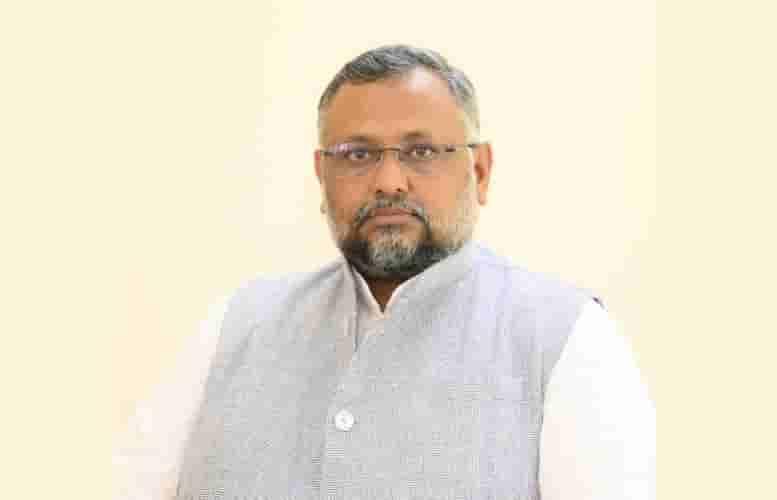
Jharkhand came into existence as India’s 28th state on November 15, 2000, marking the culmination of a decades-long struggle for jal, jungle, zameen (water, forests and land), cultural identity and self-respect. As the state completes 26 years, Rajya Sabha MP and BJP National Secretary Dr Pradeep Kumar Verma has reflected on its journey, highlighting the role of the Atal Bihari Vajpayee government in its formation and the development and tribal welfare initiatives launched under Prime Minister Narendra Modi.
In his article, Verma traces Jharkhand’s history of resistance to the Kol Rebellion of 1831-32, the Santhal Hul of 1855 and Bhagwan Birsa Munda’s Ulgulan. He describes these movements as defining chapters in the region’s tradition of courage and self-respect. Leaders such as Sidho-Kanhu, Chand-Bhairav, Phulo-Jhano, Tilka Manjhi and Birsa Munda, he writes, laid the ideological foundation for the demand for a separate state.
The article also acknowledges the contributions of Marang Gomke Jaipal Singh Munda, Binod Bihari Mahto, Shibu Soren, Nirmal Mahto and A.K. Roy, along with numerous other activists who transformed the demand for a separate state into a mass movement.
Verma notes that the BJP supported the demand for a separate Vananchal state in 1988. Subsequently, the NDA government led by Atal Bihari Vajpayee took the process forward through the Bihar Reorganisation Act, 2000. Jharkhand formally became a state on November 15, 2000, with BJP leader Babulal Marandi taking oath as its first Chief Minister. While acknowledging the contributions of several groups to the statehood movement, the article describes the Vajpayee government's role in its constitutional formation as decisive.
Following its formation, Jharkhand faced political instability and the challenges of coalition governments. According to Verma, a new phase of coordination in development policies began in 2014, when Narendra Modi became Prime Minister and a BJP-led government took office in the state. Under Chief Minister Raghubar Das, Jharkhand had its first government to complete a full five-year term, from 2014 to 2019. The period saw initiatives in infrastructure development, industrial investment, rural electrification and administrative reforms.
The article highlights several national initiatives and projects launched in Jharkhand under the Modi government. These include the nationwide launch of the Ayushman Bharat-Pradhan Mantri Jan Arogya Yojana from Ranchi on September 23, 2018, initiatives for the revival of the Sindri fertiliser plant, and the inauguration of Deoghar Airport and key healthcare services at AIIMS Deoghar on July 12, 2022. Verma says these projects have opened up new opportunities in healthcare, transportation, tourism and industrial development.
On the recognition of tribal heritage, the article points out that the Central government declared November 15, the birth anniversary of Bhagwan Birsa Munda, as Janjatiya Gaurav Diwas in 2021. The same year, the Birsa Munda Smriti Udyan-cum-Freedom Fighter Museum was inaugurated in Ranchi.
Verma also highlights Prime Minister Modi’s visit to Ulihatu, the birthplace of Birsa Munda, on November 15, 2023. According to the article, Modi became the first Prime Minister to visit the village. During the visit, the Pradhan Mantri Janjati Adivasi Nyaya Maha Abhiyan (PM-JANMAN), with an outlay of approximately Rs 24,104 crore, was announced to improve the lives of Particularly Vulnerable Tribal Groups.
Another major initiative cited in the article is the Dharti Aaba Janjatiya Gram Utkarsh Abhiyan, launched from Hazaribagh on October 2, 2024, with an estimated outlay of Rs 79,156 crore. The programme covers 7,139 villages across all 24 districts of Jharkhand.
Verma describes these initiatives as important opportunities to extend housing, education, healthcare, drinking water, road connectivity and livelihood facilities to tribal settlements. He also identifies the protection of tribal identity, cultural traditions and religious freedom as key concerns for the state.
The article outlines the BJP's opposition to religious conversions carried out through force, fraud or inducement, and refers to the Jharkhand Freedom of Religion Act, introduced by the then BJP government in 2017. Verma stresses that laws intended to prevent such conversions must be implemented in accordance with legal procedures.
He also calls for constitutional mechanisms to address concerns over alleged illegal infiltration and demographic changes in the Santhal Pargana region.
Turning to the challenges facing the state, Verma lists illegal mining, corruption, human trafficking, the spread of drug abuse, transparency in competitive examinations and the migration of young people among the major concerns. He argues that the benefits of Jharkhand's mineral wealth must reach communities living in mining-affected areas. For this, he emphasises the transparent utilisation of District Mineral Foundation funds, greater participation of Gram Sabhas and social audits.
Citing the Jharkhand Economic Survey 2025-26, the article notes that the state's per capita income remains significantly below the national average and that a substantial part of its agriculture continues to depend on rainfall. Quality education, better healthcare, irrigation, drinking water and local employment remain among the state's pressing development needs.
Outlining a roadmap for the future, Verma calls for greater emphasis on local value addition to natural resources, agro-based industries, lac and tasar production, tourism, forest-produce processing, skill development and micro, small and medium enterprises. He also stresses the need to protect tribal interests and the role of Gram Sabhas in keeping with the spirit of the Chotanagpur Tenancy Act, Santhal Pargana Tenancy Act, Forest Rights Act and PESA.
The article argues that coordination between the Centre and the state, transparent administration, fair recruitment processes and the timely implementation of welfare schemes are essential for Jharkhand's progress.
Concluding his assessment, Verma says the creation of Jharkhand was the achievement of a historic struggle, but making it prosperous, secure and self-reliant is the responsibility of the present generation. He argues that the real measure of development will be the tangible improvement it brings to the lives of the last person in the state.
Referring to Birsa Munda's vision of 'Abua Dishum, Abua Raj' (our land, our rule), he says its true meaning lies in protecting cultural identity, ensuring fair rights over natural resources, creating opportunities for young people and securing dignity for every citizen.
As Jharkhand completes 26 years, Verma concludes that the state's commitment must remain clear: preserve its identity, ensure that its resources benefit all sections of society and take the benefits of development to its remotest villages.
-- Dr Pradeep Kumar Verma
Rajya Sabha MP
National Secretary, Bharatiya Janata Party
Co-in-charge, Uttar Pradesh


© Copyright
Reporter Post.All Rights Reserved |
Powered by: Aptilogic Software |
 |
Page rendered in 0.1058 seconds.