Fri, November 13, 2026

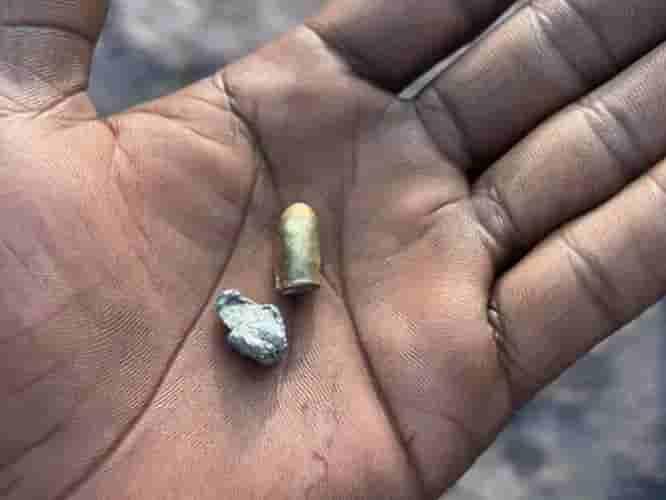
Photo: IANS
Ranchi: Coal mining companies, transportation contractors and traders operating in Jharkhand's coal belt are increasingly facing threats from criminal gangs, with a series of firing incidents targeting company offices, mining sites, security personnel and the residences of coal businessmen.
Nearly a dozen such incidents have been reported over the past four months across Chatra, Ramgarh, Hazaribagh and Ranchi districts, raising concerns about suspected extortion attempts and rivalries among criminal groups.
The latest incident occurred around midnight on Wednesday in Honhe village under Tandwa police station limits in Chatra district, where three motorcycle-borne assailants allegedly opened fire at the office of AVS Coal Transporting Company.
The company claimed that the attackers fired 10 to 12 rounds. However, Chatra Superintendent of Police Animesh Nathani said preliminary investigations indicated that two to three rounds had been fired. Empty cartridges were recovered from the spot.
The office is situated close to the Project Officer's office of the Amrapali coal project and a Central Industrial Security Force (CISF) camp.
A letter purportedly issued in the name of the Rahul Dubey gang circulated on social media after the incident, claiming responsibility for the firing and allegedly threatening people associated with the company. Police are examining the authenticity of the letter.
The latest attack follows several similar incidents in the coal-producing regions of the state.
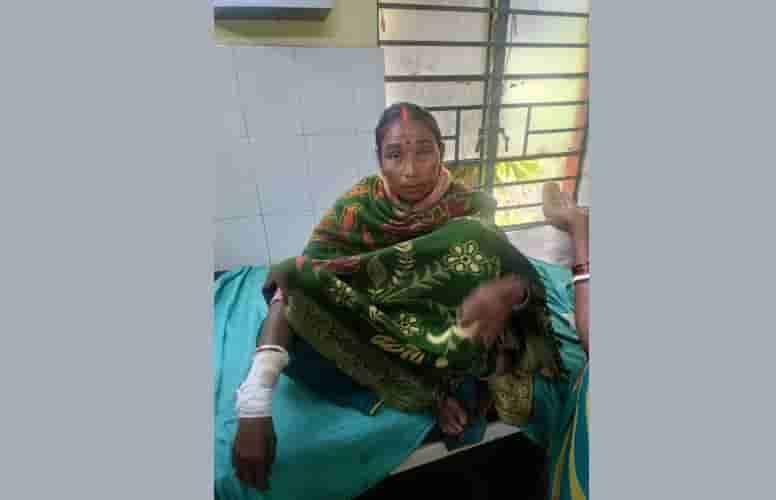
On the night of October 26-27, unidentified assailants opened fire at the entrance gate of Sainik, an outsourcing company operating in the Urimari colliery area. Security guard Vivek Kumar Ojha sustained serious injuries in the attack. Police reportedly recovered seven empty cartridges and a pamphlet bearing the name of the Rahul Dubey gang from the spot.
In early November, Hazaribagh Police arrested Anshu Dubey following an encounter in connection with the case.
In another incident during the last week of October, motorcycle-borne attackers fired shots outside the residence of coal trader Sanjay Karmali in Prem Nagar under Kanke police station limits in Ranchi. A day earlier, gunfire had been reported outside the AK International Hotel in Hazaribagh, operated by coal trader Abhay.
Police subsequently arrested five people allegedly involved in the Ranchi and Hazaribagh incidents. One of the accused sustained injuries during retaliatory firing by the police.
Earlier, on October 24, Hazaribagh Police arrested five people along with weapons in the Keredari coal belt. They were allegedly planning firing attacks to extort money from companies operating in the area.
The pattern of violence dates back to August. On August 23, four masked assailants allegedly fired around eight rounds at the office of Susi Infra, a company engaged in work at the Chandragupta coal project in Urdusu village under Tandwa in Chatra district. The Rahul Dubey gang had also claimed responsibility for that attack.
A common pattern is emerging across several incidents, with criminal groups allegedly targeting business establishments, entry gates, security personnel and coal traders' homes to create pressure. Threatening letters and messages circulated on social media have reportedly been used to demand contact with the groups, seek extortion payments or exert influence over business operations.
However, police have not officially established the involvement of a particular gang or an extortion motive in every incident. Investigations are continuing to determine the circumstances behind the attacks and identify those responsible.
The repeated firing incidents have created an atmosphere of insecurity among coal traders, contractors, company employees and transport operators. They have also raised concerns about the effectiveness of security arrangements around major coal projects, particularly in areas where industrial operations are already supported by police and central security personnel.
The growing threat poses challenges not only to the safety of people working in the coal sector but also to the uninterrupted functioning of mining and transportation operations in Jharkhand's economically important coal belt.




© Copyright
Reporter Post.All Rights Reserved |
Powered by: Aptilogic Software |
 |
Page rendered in 0.01 seconds.