Tue, October 20, 2026


*All images by IPRD, Jharkhand
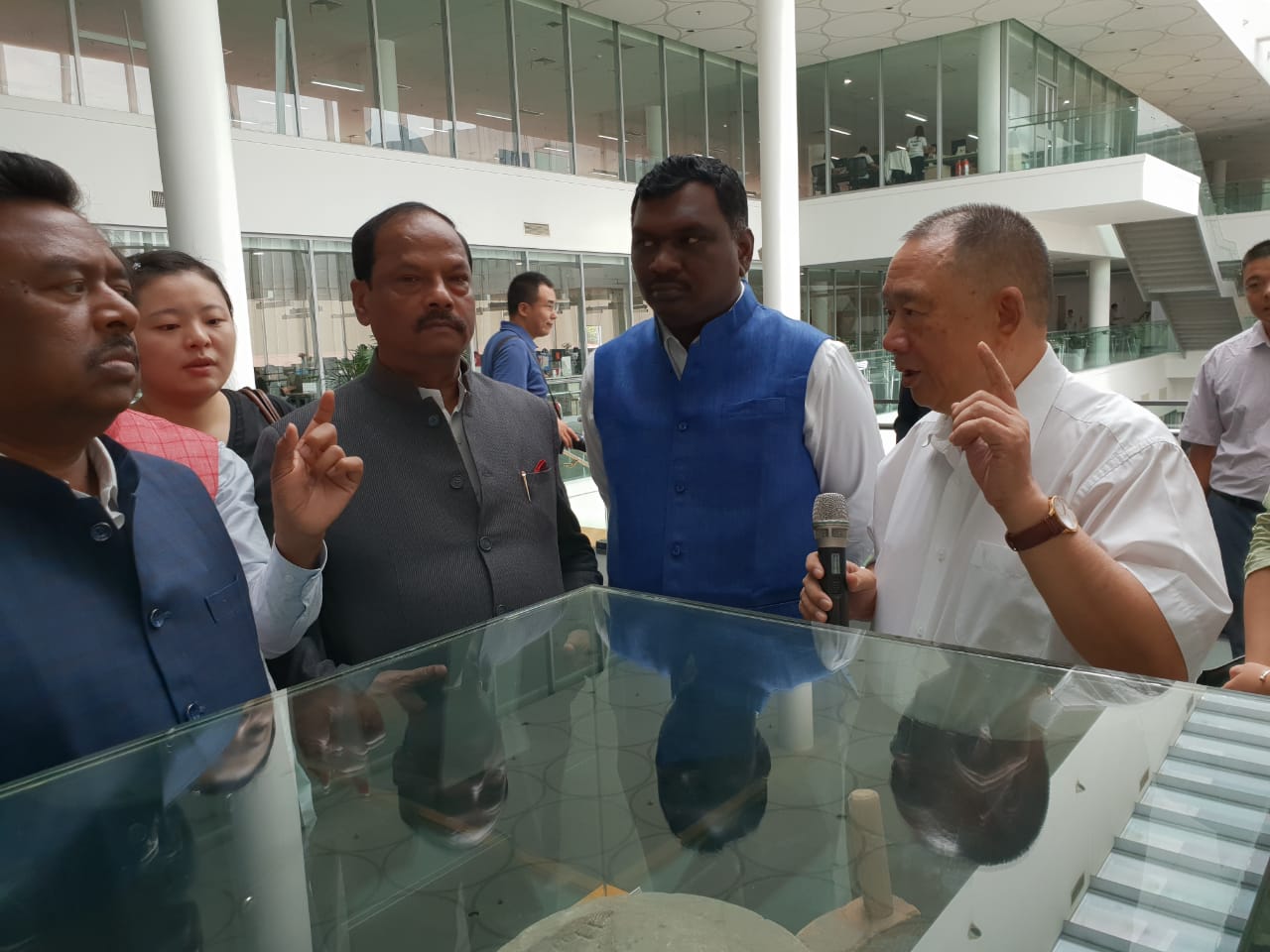
Jharkhand Chief Minister Raghubar Das visited the food processing facility of Sanquan Company in Zhengzhou, China, as part of efforts to attract investment and modern food-processing technology to the state.
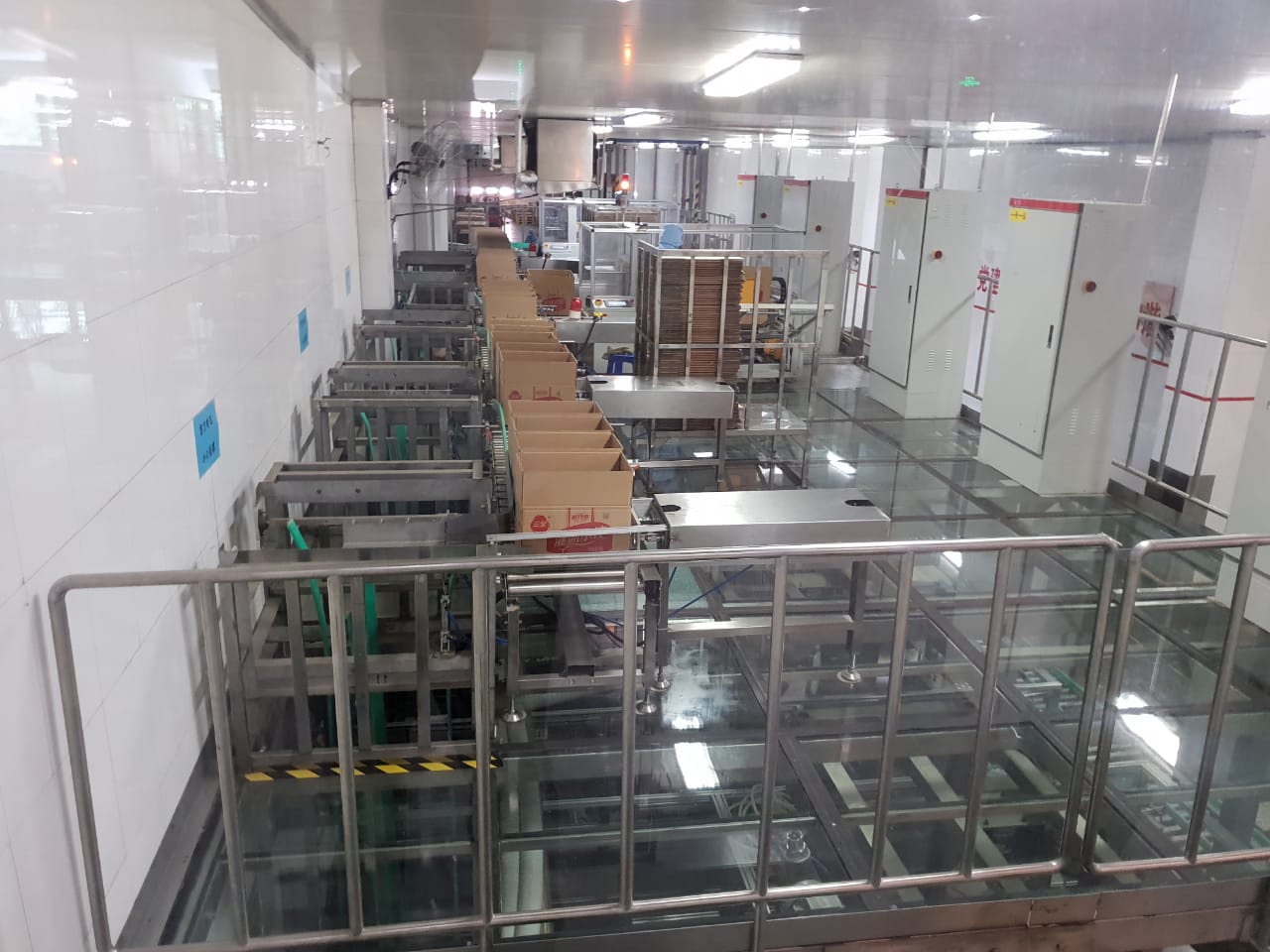
Das, who was accompanied by a delegation, was welcomed by Sanquan Chairman Chen Zemin. During an hour-long visit, Zemin explained the company's food processing, packaging and quality-testing facilities and briefed the delegation about its production and export operations, including the processing of vegetables and other food products.
Sanquan operates seven plants across China and employs around 10,000 people. The company has an annual turnover of approximately 10 billion yuan, equivalent to around Rs 10,000 crore.
During the interaction, Das highlighted the potential for large-scale vegetable production and food processing in Jharkhand. He also briefed Zemin about the state's Food Processing Policy and the incentives and facilities being offered by the government to attract industries.


The Chief Minister invited Zemin and his delegation to visit Jharkhand to assess the investment opportunities available in the state. He also invited the company to participate in the Global Agriculture and Food Summit scheduled for November 29-30.
Das said meetings with local companies would also be organised during the summit so that cooperation could go beyond financial investment and include the transfer of modern technology and expertise.
He emphasised that food processing was one of the sectors where Jharkhand could attract substantial investment and expressed confidence that the state could emerge as India's largest food processing hub in the coming years.
Zemin responded positively to the proposal and assured the Chief Minister that Sanquan would study the Indian market as well as the possibilities for setting up food processing operations in Jharkhand before deciding on further action.
The Chinese executive also expressed interest in exploring how the large-scale production of vegetables in Jharkhand could be linked with modern processing facilities and markets.
The discussions were held in a positive atmosphere and opened the possibility of greater cooperation between Chinese food-processing companies and businesses in Jharkhand. Such partnerships could provide local companies with access to advanced processing, packaging and quality-control technologies while creating opportunities to reduce post-harvest losses and increase the value of agricultural produce.
Das has been consistently emphasising the need to attract Chinese companies involved in large-scale food production and exports to Jharkhand. The state government is seeking to use such investments not only to bring in capital but also to introduce modern technology, strengthen food-processing infrastructure and create employment opportunities linked to agriculture.



© Copyright
Reporter Post.All Rights Reserved |
Powered by: Aptilogic Software |
 |
Page rendered in 0.0119 seconds.
|
Page rendered in 0.0119 seconds.