Fri, October 23, 2026

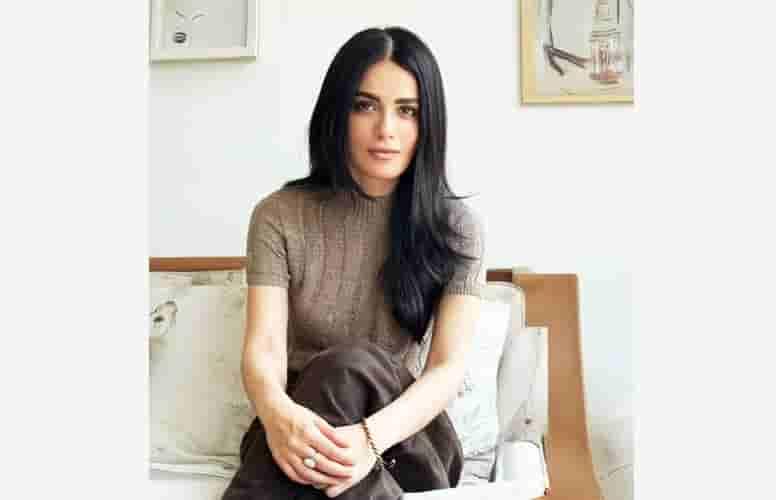
Mumbai - Actress Tridha Choudhury has spoken candidly about the calculated decisions she has made while navigating opportunities across Indian and international entertainment industries.
In an exclusive interaction with IANS, Tridha revealed that she consciously avoided projects involving nude scenes in Hollywood, aware that such choices could have restricted her future prospects, particularly in Bollywood. She explained that taking on such roles risked typecasting and could have closed doors to a wide range of projects in other film industries.
Reflecting on her thought process, the actress said that while she has already explored international opportunities, she believes there are multiple ways to work globally without compromising her long-term career goals. For her, protecting the broader trajectory of her work in Indian cinema took precedence over any single international project.
“If I had done a Hollywood project that required nude scenes, it would have blocked many other opportunities for me. I was very aware of that. Since I’ve already tapped into the international space, I feel I can still explore it with a different approach. I wouldn’t risk the rest of my journey in Bollywood or elsewhere for just one project,” Tridha told IANS.
Tridha Choudhury made her film debut in 2013 with Srijit Mukherji’s Bengali film Mishawr Rawhoshyo. She later rose to prominence on Indian television with the StarPlus legal drama Dahleez, which premiered in 2016. In 2020, she gained wider recognition through her performances in Amazon Prime Video’s Bandish Bandits and MX Player’s highly popular series Aashram.
Most recently, Tridha appeared in Kapil Sharma’s comedy film Kis Kisko Pyaar Karoon 2, which also stars Hira Warina, Parul Gulati, and Ayesha Khan.
Speaking about her decision to take on the film and whether it marked a shift from intense or bold roles to comedy, Tridha shared that her choices are always driven by the strength of the script. She pointed out that in Aashram, her character Babita undergoes a significant transformation, evolving into a deeply political figure—a shift rooted in strong writing rather than shock value.
“After that, I never felt I was being typecast as ‘bold,’ although some roles did lean more towards being eye-candy. But whether I’m punching someone or kissing someone, it’s all acting. At the end of the day, everything is performance. Comedy, though, is a different challenge altogether. This film allowed me to explore that space, and I’m still learning,” she said.
With inputs from IANS



© Copyright
Reporter Post.All Rights Reserved |
Powered by: Aptilogic Software |
 |
Page rendered in 0.0136 seconds.
|
Page rendered in 0.0136 seconds.