Tue, October 13, 2026

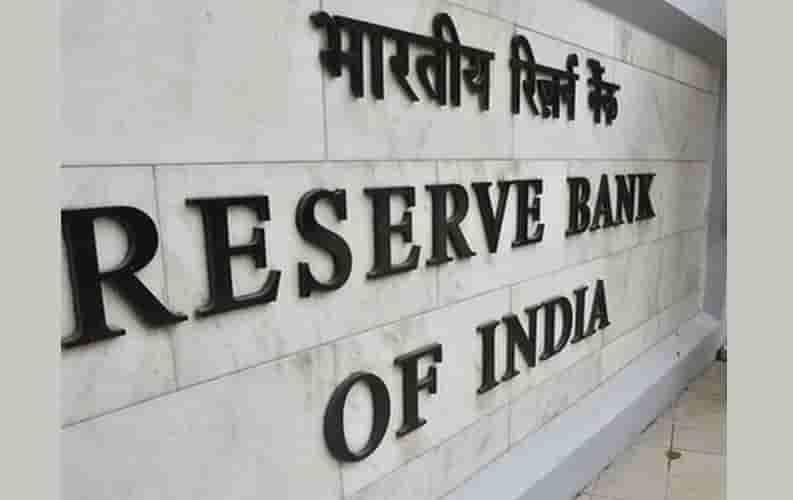
Photo: IANS
The Reserve Bank of India (RBI) could raise its benchmark repo rate by around 75 basis points and maintain a tightening stance through the first half of FY28, as rising food prices, Middle East tensions and weather-related disruptions threaten to push inflation higher, according to leading global brokerages.
A report by NDTV Profit cited forecasts from Bank of America (BofA), Goldman Sachs and UBS, which flagged growing inflationary pressures stemming from energy supply disruptions and the potential impact of an intensifying El Niño weather phenomenon.
BofA and UBS expect the RBI to tighten monetary policy, with the repo rate potentially increasing by a cumulative 75 basis points through monetary policy decisions in FY27 and into the first half of FY28.
The projections reflect concerns that higher energy costs and weather-related disruptions could add to price pressures in an economy where food inflation has already accelerated.
UBS expects India's headline inflation to average around 5.2 per cent in FY27 and remain above 5 per cent during the first half of FY28, partly because of adverse weather conditions affecting food supplies and prices.
The brokerage also warned that the impact of El Niño-related disruptions could extend well beyond the period of peak weather activity.
According to UBS, historical trends suggest that the effects on global food prices typically emerge with a lag of six to 18 months after peak weather disruptions. With the next likely peak expected between November and February, the most significant impact on global food prices could emerge during 2027 and early 2028, adding to inflation risks.
These concerns come as India's consumer inflation has climbed to its highest level in 23 months, driven largely by rising food and vegetable prices.
Headline Consumer Price Index (CPI) inflation rose to 5.54 per cent in September from 4.8 per cent in August. Food inflation increased more sharply, reaching 7.74 per cent compared with 5.97 per cent in the previous month.
Inflation in the broader food and beverages category also accelerated to 7.36 per cent in September from 5.66 per cent in August, highlighting the growing contribution of food costs to the overall rise in consumer prices.
The increase was more pronounced in rural areas, where retail inflation stood at 6.08 per cent in September, compared with 4.88 per cent in urban areas.
The official price indices also recorded an increase during the month. The combined CPI General Index rose to 109.49 in September from 108.74 in August, while the combined Consumer Food Price Index (CFPI) increased to 112.17 from 110.73.
A sustained rise in food and energy prices could complicate the RBI's task of balancing inflation control with economic growth. Higher borrowing costs generally make loans more expensive for households and businesses, potentially moderating demand, while also helping contain price pressures over time.
However, the timing and extent of any future rate increases will depend on how inflation evolves, the persistence of supply-side pressures and the central bank's assessment of the broader economic outlook.



© Copyright
Reporter Post.All Rights Reserved |
Powered by: Aptilogic Software |
 |
Page rendered in 0.013 seconds.
|
Page rendered in 0.013 seconds.