Wed, October 28, 2026


Photo: IANS
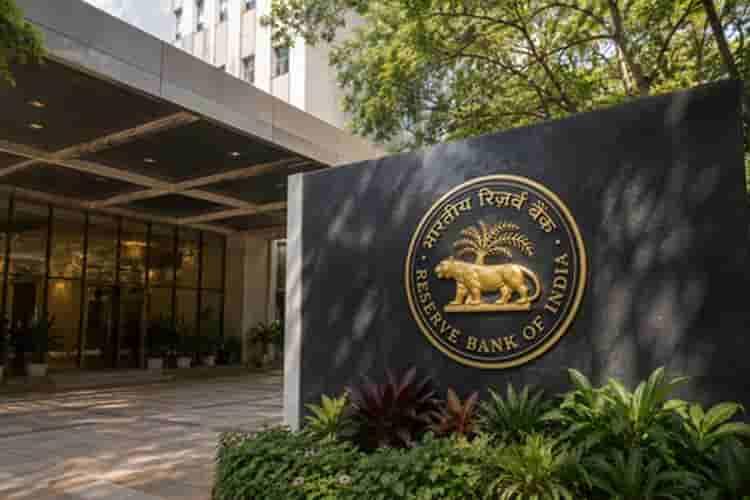
India’s foreign exchange reserves rose sharply by $10.512 billion to $692.866 billion in the week ended July 31, extending the recent recovery in the country’s external reserves, according to data released by the Reserve Bank of India (RBI) on Friday.
The latest increase follows a rise of $6.118 billion in the previous week ended July 24, indicating continued strengthening of the country’s reserve position.
Foreign currency assets, the largest component of India’s reserves, increased by $8.750 billion during the week to reach $564.680 billion.
The value of the country’s gold reserves also climbed by $1.685 billion to $104.743 billion. The RBI said the foreign currency assets figure, when expressed in US dollar terms, also reflects the impact of appreciation or depreciation in major non-dollar currencies such as the euro, pound and yen held as part of the reserves.
Special Drawing Rights (SDRs) with the International Monetary Fund rose by $48 million to $18.666 billion during the week, the RBI’s weekly statistical supplement showed.
Reserves move closer to $700-billion mark
India’s forex reserves have been recovering after coming under pressure earlier this year amid heightened global economic and geopolitical uncertainties.
The country’s reserves had reached an all-time high of $728.494 billion in the week ended February 27 before declining in subsequent months.
The latest increase has once again brought the reserves close to the $700-billion mark. Continued foreign capital inflows, particularly through FCNR (B) deposits, could help India cross that threshold in the coming weeks.
FCNR deposits support capital inflows
RBI Governor Sanjay Malhotra said this week that there is currently no proposal to prematurely end the incentive scheme for Foreign Currency Non-Resident (Bank), or FCNR (B), deposits.
The scheme has helped Indian banks attract substantial foreign currency deposits. As of July 31, 2026, banks had mobilised $36.7 billion through FCNR deposits.
These inflows have provided additional support to India’s external position and helped ease pressure on the rupee at a time when rising global oil prices have increased concerns over the country’s import bill.
The RBI’s concessional zero-cost swap facility linked to the FCNR (B) deposits also remains operational and is scheduled to continue until its original deadline of September 30, 2026.
With reserves nearing $700 billion and foreign currency inflows remaining strong, India’s external buffers appear to have strengthened considerably from the lows witnessed earlier this year.



© Copyright
Reporter Post.All Rights Reserved |
Powered by: Aptilogic Software |
 |
Page rendered in 0.0096 seconds.
|
Page rendered in 0.0096 seconds.