Tue, October 20, 2026


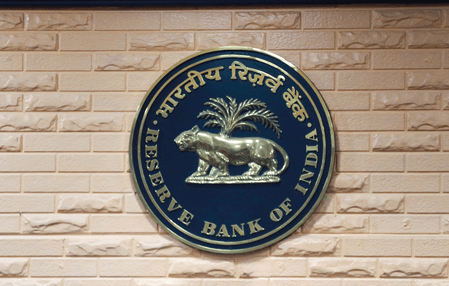
New Delhi: The Reserve Bank of India (RBI) has postponed the rollout of its revised capital market exposure framework by three months. The new rules, initially set to take effect on April 1, will now be implemented from July 1, 2026.
The move comes after banks, capital market intermediaries, and industry groups raised concerns about practical and interpretational challenges in adopting the updated norms. Taking this feedback into account, the central bank has also issued a set of clarifications to make the framework easier to implement.
One of the key updates relates to acquisition finance. The RBI has widened its scope to clearly include mergers and amalgamations, removing earlier ambiguity. However, such funding will only be allowed when the objective is to gain control of a non-financial company—meaning minority stake investments won’t qualify.
In situations where the target is a holding company, lenders must ensure that the expected business synergies apply across all its subsidiaries, not just the parent entity. Companies are also now allowed to route acquisition financing through their Indian or overseas subsidiaries.
At the same time, the RBI has tightened refinancing rules. Banks can refinance acquisition loans only after the deal is completed and control has been established—and even then, the funds must strictly be used to repay the original loan.
To further strengthen safeguards, any acquisition finance provided to a subsidiary or special purpose vehicle (SPV) will require a corporate guarantee from the parent acquiring company.
For lenders, this delay offers breathing room to update internal systems and processes in line with the new norms. The added clarity is also expected to reduce legal uncertainties and risks in structuring deals.
For businesses looking at acquisitions, the framework expands access to funding—especially for mergers and deals routed through subsidiaries—but also sets firm boundaries by focusing only on control-driven transactions and stricter refinancing conditions.
The RBI has also eased certain norms for capital market intermediaries, allowing bank funding for proprietary trading if backed by 100% cash or cash-equivalent collateral. Additionally, restrictions on financing market makers using the same securities involved in their activities have been removed, providing operational flexibility.
With inputs from IANS




© Copyright
Reporter Post.All Rights Reserved |
Powered by: Aptilogic Software |
 |
Page rendered in 0.009 seconds.
|
Page rendered in 0.009 seconds.