Wed, October 14, 2026
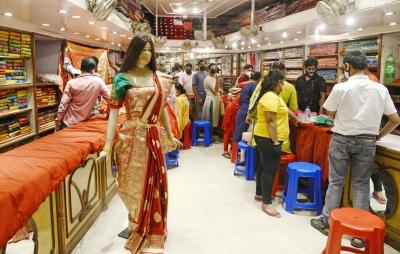
New Delhi — The Apparel Export Promotion Council (AEPC) on Tuesday stated that the latest ready-made garment (RMG) export data underscores the resilience of Indian apparel exporters amid challenging global conditions.
On a cumulative basis, RMG exports during April–January 2025–26 reached $13,129.1 million, marking a 1.6 per cent increase over the same period in 2024–25. The figure also reflects a strong 13.3 per cent growth compared to April–January 2023–24.
According to AEPC Chairman A. Sakthivel, exports recorded a 7.2 per cent rise compared to January 2024, indicating underlying strength and recovery momentum despite persistent global headwinds.
He noted that the temporary dip in January exports was largely due to elevated US tariff pressures and broader global volatility, which disrupted order flows and created uncertainty in key markets.
“To retain customers, many RMG exporters absorbed part of the cost pressures by offering discounts of up to 20 per cent. However, with tariff levels rising to nearly 50 per cent, the price disadvantage became too severe, leading to a loss of orders to competing sourcing destinations,” Sakthivel said.
India has signed free trade agreements (FTAs) with 37 countries, opening up expanded market access for the textile and apparel sector. Sakthivel emphasised that the coming decade offers a strategic opportunity for India to capitalise on its strong manufacturing base, skilled workforce, and integrated value chain to boost exports and increase its global market share.
He highlighted that MSMEs form the backbone of the apparel industry and require focused policy support to enhance competitiveness and ensure sustained growth.
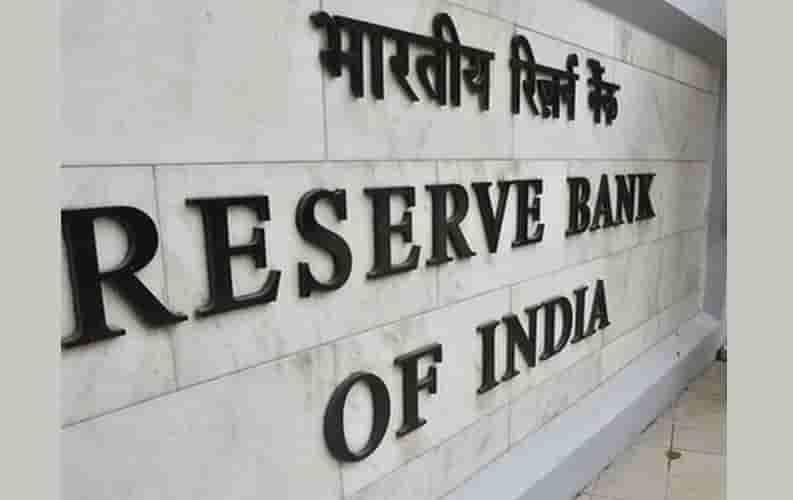
On Monday, the AEPC Chairman met Sanjay Malhotra, Governor of the Reserve Bank of India (RBI), to advocate for a dedicated export policy tailored to the MSME sector.
He proposed a Special Interest Package Scheme to improve access to affordable credit and strengthen the growth trajectory of smaller exporters.
To address export finance constraints, Sakthivel requested that the Interest Equalisation Scheme be increased from the current 2.75 per cent to 5 per cent for manufacturing exporters. He also urged the RBI to remove the existing Rs 50 lakh cap and introduce a graded eligibility structure linked to turnover and export performance.
With inputs from IANS



© Copyright
Reporter Post.All Rights Reserved |
Powered by: Aptilogic Software |
 |
Page rendered in 0.0699 seconds.
|
Page rendered in 0.0699 seconds.