Thu, October 15, 2026

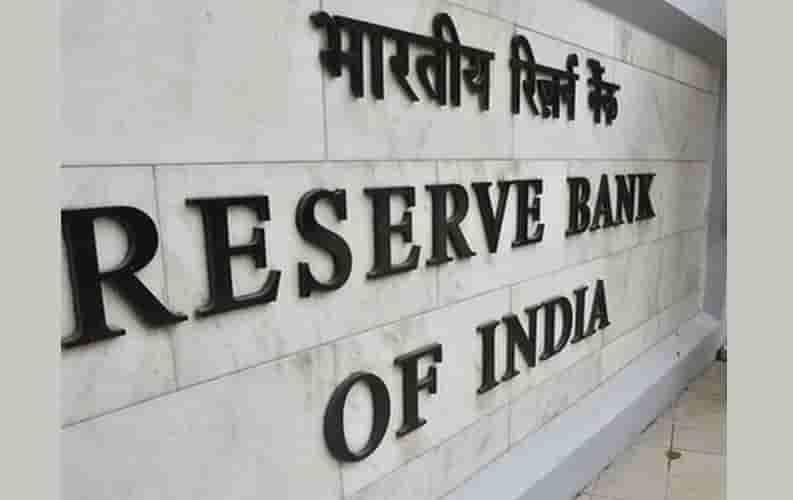
New Delhi: The Reserve Bank of India (RBI) is scheduled to hold its Monetary Policy Committee (MPC) meeting from February 4 to 6, and economists believe the central bank is likely to pause further policy rate cuts, instead focusing on targeted measures to manage liquidity, bond market stability, and currency-related risks.
The RBI has already reduced the repo rate by a cumulative 125 basis points since February 2025, bringing it down to 5.25 per cent. With this substantial easing already in place, experts expect the MPC to maintain the status quo in its February policy review.
Radhika Rao, Executive Director and Senior Economist at DBS Bank, said that the government’s continued commitment to fiscal consolidation is unlikely to significantly influence the direction of monetary policy at this stage. She noted that while the MPC cut rates in December 2025, another reduction in February appears unlikely.
Rao added that bond purchases are expected to continue through the current quarter and into April–June 2026. Given that the Union Budget for FY27 has outlined record-high government borrowings, the RBI may prefer to remain flexible in its money market operations to keep borrowing costs under control.
According to economists, economic growth momentum has remained firm despite global trade tensions, while inflation has moved up from its earlier lows. At the same time, the rupee has faced persistent pressure, falling to successive record lows. Deposit mobilisation has also emerged as a challenge for banks.
The Union Budget 2026 has been described as maintaining macroeconomic stability and policy continuity. Fiscal consolidation is set to continue, with the Centre’s debt-to-GDP ratio projected to decline by about 0.5 percentage points and the fiscal deficit expected to narrow to 4.3 per cent of GDP. Economists also cautioned that further rate cuts could trigger increased repatriation of rate-sensitive portfolio flows.
Recently, the RBI announced a set of liquidity-boosting measures aimed at injecting over Rs 2 lakh crore into the banking system to ease liquidity stress. These steps include open market bond purchases, a foreign exchange swap, and variable rate repo operations, following a review of prevailing liquidity and financial conditions.
Meanwhile, SBI Research pointed out that despite a 125 basis point cut in the repo rate and liquidity injections of around Rs 6.6 lakh crore during the current fiscal through open market operations, bond yields have remained stubbornly high. The report attributed this to asymmetric transmission of liquidity across different market segments.
SBI Research suggested that the RBI conduct open market operations in more liquid securities to have a meaningful impact on yields. As an example, it recommended focusing on liquid 10-year papers rather than less actively traded benchmarks.
With inputs from IANS



© Copyright
Reporter Post.All Rights Reserved |
Powered by: Aptilogic Software |
 |
Page rendered in 0.0117 seconds.
|
Page rendered in 0.0117 seconds.