Wed, October 14, 2026

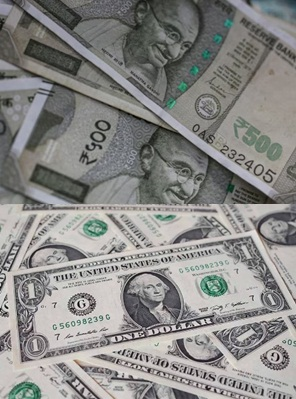
New Delhi: The depreciation of the Indian rupee during the current financial year 2025–26 has been influenced by a combination of factors, including a widening trade deficit and developments related to India’s ongoing trade agreement negotiations with the United States, amid relatively weak support from the capital account, Parliament was informed on Tuesday.
The Indian rupee recently crossed the historic 90-mark against the US dollar this month.
Replying in writing to a question in the Rajya Sabha, Minister of State for Finance Pankaj Chaudhary said that the exchange rate of the rupee is affected by various domestic and global factors such as movements in the Dollar Index, trends in capital flows, interest rate levels, crude oil prices, and the current account deficit.
The minister noted that currency depreciation can enhance export competitiveness, which may have a positive impact on the economy. However, he cautioned that depreciation can also lead to higher prices for imported goods. “The overall impact of exchange rate depreciation on domestic prices depends on the extent of the pass-through of international commodity prices to the domestic market,” he said.
He further explained that imports are influenced by several factors, including global demand and supply conditions, the nature of imported goods (essential or luxury), freight costs, and the availability of substitutes. As a result, the effect of exchange rate movements on import costs, domestic inflation, and the broader economy cannot be viewed in isolation.
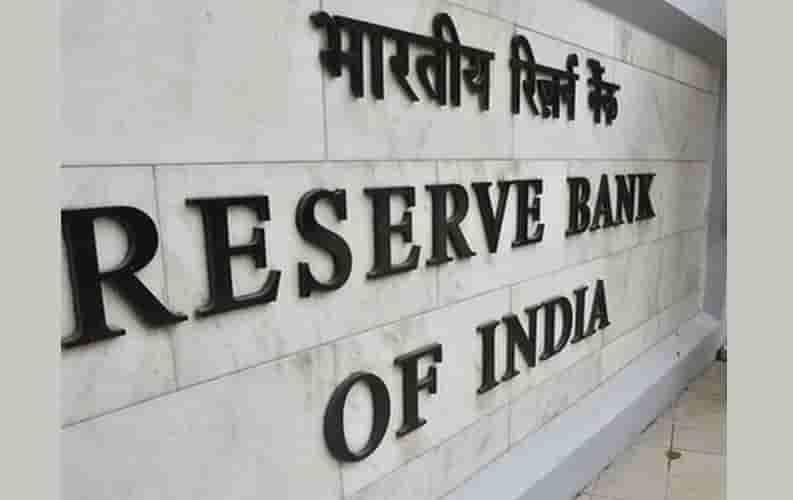
Chaudhary emphasised that the value of the rupee is market-determined, with no fixed target, level, or band. He added that the Reserve Bank of India (RBI) continuously monitors the foreign exchange market and intervenes only to address excessive volatility. The RBI also keeps a close watch on global developments that could impact the USD-rupee exchange rate, including monetary policy actions by major central banks, global economic data releases, OPEC+ decisions, geopolitical developments, and daily movements in G-10 and emerging market currencies.
On the investment front, the minister said the government has adopted an investor-friendly foreign direct investment (FDI) policy to attract higher inflows. Most sectors, barring a few strategically important ones, are open to 100 per cent FDI under the automatic route, with over 90 per cent of total FDI inflows currently coming through this channel.
“The government is continuously working towards attracting FDI into the country by removing regulatory barriers, streamlining processes, developing infrastructure, improving logistics, and enhancing the ease of doing business,” Chaudhary added.
—With inputs from IANS



© Copyright
Reporter Post.All Rights Reserved |
Powered by: Aptilogic Software |
 |
Page rendered in 0.0511 seconds.
|
Page rendered in 0.0511 seconds.