Sat, October 24, 2026


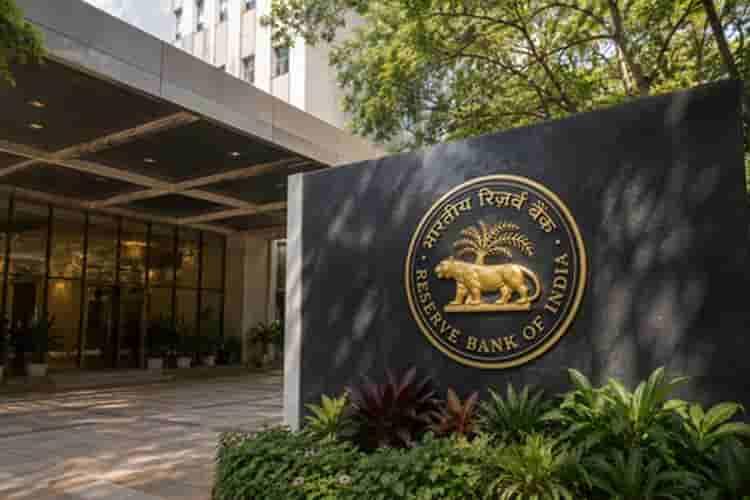
Mumbai — The Nifty index is expected to reach 29,000 in 2026, supported by a rebound in discretionary consumption during the second half of FY26 and easing liquidity measures by the Reserve Bank of India (RBI), according to a report released on Thursday by Emkay Global Financial Services.
The report highlighted that a mixed capex cycle, along with the possibility of an India–US trade agreement, will offer additional support to market sentiment. Emkay noted that GST reforms and structural efforts to improve affordability are likely to revive consumer demand and strengthen India’s medium-term growth trajectory.
The firm maintains an overweight stance on discretionary, industrials, healthcare, and materials, while staying underweight on financials, staples, IT, and telecom.
According to Emkay, “A softer rate environment and stable policy direction provide a favourable setup for India’s medium-term growth cycle.”
The report added that healthy rainfall, combined with the potential tax cuts in the FY26 Union Budget, should contribute to a recovery in rural income and consumption.
Nirav Sheth, CEO – Institutional Equities at Emkay Global, said, “India’s medium-term outlook remains remarkably resilient. Despite near-term volatility, the alignment of softer rates, improving consumption, and stable policy direction creates a strong foundation for a multi-year growth cycle, positioning Nifty for meaningful upside through 2026.”
The outlook also incorporates the RBI’s liquidity infusion, which is expected to lower borrowing costs and improve credit transmission, especially benefiting retail-focused lenders and NBFCs.
While corporate capex remains subdued, government expenditure in railways, defence, and power continues to offer visibility and stability.
Emkay emphasised that large-cap stocks provide wealth protection during volatile phases, while small- and mid-cap stocks offer higher alpha potential.
Seshadri Sen, Head of Research and Strategist at Emkay Global, noted, “Unlike the Nifty, which is concentrated in low-P/E sectors such as financials and energy, the SMID universe leans toward higher-growth businesses that naturally command richer valuations.”
The report also highlighted strong domestic mutual fund inflows, even as foreign portfolio investors (FPIs) remained net sellers with Rs 271 billion in outflows year-to-date. Meanwhile, the primary market remains active, with issuance volumes reaching Rs 1,769 billion so far this year.
With inputs from IANS



© Copyright
Reporter Post.All Rights Reserved |
Powered by: Aptilogic Software |
 |
Page rendered in 0.0105 seconds.
|
Page rendered in 0.0105 seconds.