Wed, October 14, 2026

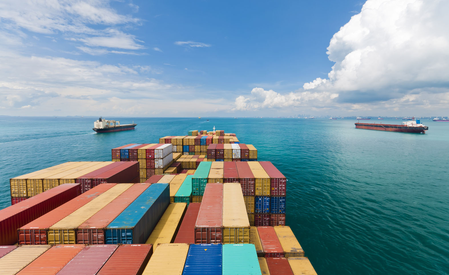
New Delhi — The Commerce and Industry Ministry is exploring a proposal to allow foreign direct investment (FDI) in the inventory-based model of e-commerce, as part of a broader strategy to promote India’s export growth.
According to official sources, the ministry has sought feedback from various central government departments before moving forward with the proposal.
Officials point to China’s success in leveraging e-commerce platforms to drive export expansion, suggesting that a similar approach could unlock vast opportunities for Indian exporters.
Currently, India’s FDI policy permits 100 per cent FDI under the automatic route in the marketplace model of e-commerce — where platforms like Amazon and Flipkart serve as intermediaries connecting buyers and sellers, but cannot own inventory.
In contrast, FDI is prohibited in the inventory-based model, where an e-commerce company directly sells products it owns to consumers. Limited exceptions exist for manufacturers selling their own goods and single-brand retailers operating through online channels, but direct business-to-consumer (B2C) sales by foreign-funded entities remain restricted.
Commerce and Industry Minister Piyush Goyal has hinted that the government may allow e-commerce firms to maintain inventory exclusively for exports, thereby boosting India’s share in the global digital trade market.
India’s e-commerce export sector is on a rapid upward trajectory, currently estimated at $4–5 billion, with the government targeting $200–300 billion by 2030. Key export categories include fashion and apparel, home décor, handicrafts, organic beauty products, toys, and electronic goods.
The Foreign Trade Policy (FTP) 2023 features a dedicated chapter on e-commerce exports, outlining a roadmap for expanding cross-border digital trade. The policy also extends Remission of Duties and Taxes on Exported Products (RoDTEP) benefits to e-commerce shipments, including those routed through postal and courier channels, to improve cost competitiveness.
To further strengthen this ecosystem, the government plans to establish e-commerce export hubs in collaboration with the private sector under the FTP framework. Initiatives under the Digital India programme have also played a key role by simplifying online payments, streamlining digital verification, and enhancing logistics efficiency.
If approved, the proposed FDI relaxation could significantly accelerate India’s e-commerce export capabilities, providing a strong push to the country’s vision of becoming a global digital export powerhouse.
With inputs from IANS



© Copyright
Reporter Post.All Rights Reserved |
Powered by: Aptilogic Software |
 |
Page rendered in 0.0097 seconds.
|
Page rendered in 0.0097 seconds.